


Varicose Veins Pictures: How to Identify Varicose Veins Using Images
Home > Image Gallery
Key Takeaways
Varicose veins are enlarged, visible veins that most often show up on the legs. Spider veins also tend to show up on the legs, and it is common for people to be confused between the two. Having a look at images can help you better identify what you might be seeing on your skin.
Varicose veins usually have a larger, bulging, rope-like and raised appearance, while spider veins are smaller, flatter and more web-like. Symptoms associated with varicose veins may include aching, itching, pain and discomfort.
Varicose veins are more common in women, and causes can include hormonal shifts, weight gain, leg injury, prolonged standing or sitting, and family history. Natural options such as H-Varicose Veins Formula can be considered alongside other approaches such as compression therapy and lifestyle changes.
If your veins are associated with swelling, discoloration, persistent pain, itching or aching, it is advised that you see a doctor. Customer-submitted images can also provide a real-life comparison of how varicose veins may appear from person to person.
In this post:
How To Identify Varicose Veins Using Images
The fastest way to identify varicose veins is to compare your legs to clear images of varicose veins. When comparing, you should stand in natural light and check both legs.
Look for veins that are:
- Bulging
- Twisted
- Rope-like
- Raised above the skin
- Blue, purple, or flesh-colored
- On the calves or inner legs
- Swollen and raised above the surface of the skin
Note: If your veins look more prominent after standing for long periods or at the end of the day, that can also suggest vein strain.


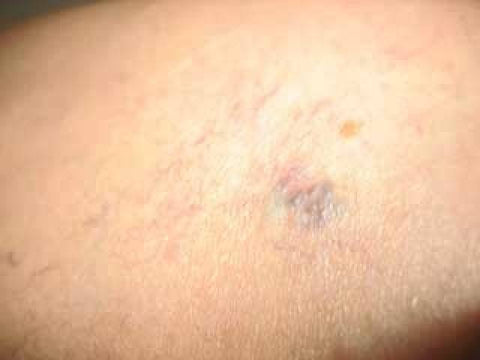

Key Differences Between Spider Veins vs Varicose Veins
| Varicose Veins | Spider Veins | |
| Size | 3mm or wider | Less than 1mm wide |
| Texture | Raised, rope-like, bulging above the skin | Slightly raised, mostly flat, sitting close to the skin's surface |
| Color | Flesh-colored, blue or purple | Red, blue or purple |
| Location | Commonly on the back of the legs, calves and inner thighs | Common on the legs but can also appear on the face |
| Appearance | Twisted and cord-like | Branch-like or web-like patterns |
Symptoms of Varicose Veins
For many people, varicose veins are mainly a cosmetic concern. However, certain symptoms associated with varicose veins may include:
- Achy or tired legs
- Muscle cramping
- A heavy feeling in the legs
- Burning or throbbing sensations
- Swelling, especially around the ankles
- Itching around the veins
If you experience any of these symptoms or are unsure whether you have varicose veins, it is advised to speak to a doctor.
What Causes Varicose Veins and Who Is At Risk?
Varicose veins are more common in women than in men, and appear more often in people over the age of 50. Pregnancy is a frequent cause, but other factors can increase risk or worsen the condition, including:
- Obesity
- Leg injury
- Prolonged standing or sitting
- Family history
Care Options For Varicose Veins
When it comes to caring for varicose veins, there are a few approaches to consider. Some of the most common options include:
- Compression therapy: Using compression socks or stockings can help support the legs.
- Lifestyle changes: Keeping a healthy weight, doing low-impact activities such as walking, elevating the legs, and avoiding prolonged standing.
- Medical procedures: These can include sclerotherapy, laser treatment, and catheter-based procedures for larger varicose veins.
- Natural topical options: For those who prefer a gentle and natural approach, H-Varicose Veins Formula is a homeopathic topical formula to help support the appearance of varicose veins.

H-Varicose Veins Ingredients And How They Help
H-Varicose Veins Formula is a topical formula designed to support the appearance of visible veins. It combines homeopathic active ingredients with nourishing carrier oils and an essential oil blend.
Active Ingredients:
- Aesculus hippocastanum 12C: Traditionally used in homeopathic practice for circulation-related concerns.
- Collinsonia canadensis 12C: Traditionally used in homeopathic practice for a feeling of heaviness.
Inactive Ingredients:
- Corylus avellana (hazelnut) nut oil: Lightweight moisturizing oil that helps soften skin and support a smoother-looking texture.
- Triticum vulgare (wheat germ) kernel oil: Rich, nourishing oil to support skin conditioning and hydration.
- Essential Oil Blend: Cupressus sempervirens leaves & twigs, Cymbopogon martinii aerial parts, Lavandula officinalis flower bud, Matricaria recutita flower — selected to soothe the skin, support comfort, and promote a refreshed feel.
How these ingredients help:
The carrier oils help hydrate and condition the skin, while the essential oils are included for comfort and soothing support. The homeopathic actives are traditionally used in formulas aimed at supporting vein-related discomfort and managing the visible appearance of veins over time.
When To See A Doctor for Varicose Veins
Consider speaking to a healthcare professional if you’re experiencing symptoms like swelling, aching, burning, or itching. A doctor can help you make an informed decision regarding your next steps. Many people also choose to seek professional advice for cosmetic reasons, especially if the veins appear to be progressing.
You should speak with a medical professional if your veins experience any of the following:
- Become more prominent or painful in a short period of time
- Swelling does not go away after elevating your legs
- Any bleeding from or around the vein
- Persistent pain, itching and aching
- Discoloration or hardening
- Rapid changes in appearance
Your varicose veins or spider veins may be at an early stage. Comparing them with images can help you decide whether to take action sooner rather than later.
Customer Submitted Varicose Veins Pictures
The images below have been included to help you see what varicose veins look like in real life and where they’re found on the legs.
It’s always good to look at general varicose vein images, like the ones shown earlier in the blog, alongside customer-submitted ones to see that varicose veins can look different from person to person based on skin tone, location and severity.


Conclusion
Varicose veins will most likely appear much larger than spider veins, with common signs including a bulging or twisted appearance. If you have varicose veins, it is important to be aware of any symptoms you may experience or any changes that can occur in the ones that you already have.
Varicose veins can range from mild, early-stage visible veins to more pronounced, bulging cords that cause discomfort. Comparing your legs to images is one of the simplest ways to identify what you’re dealing with. If you notice symptoms or rapid changes, early action and proper support can make a big difference in your comfort and appearance.
Speaking to a healthcare professional is a key step in how you move forward with ongoing care for your varicose veins. H-Varicose Veins Formula is a natural topical option that fits easily into any daily routine.
Frequently Asked Questions
What do varicose veins look like?
Varicose veins are large, bulging veins that are usually raised above the skin’s surface and appear either blue, purple or flesh-colored.
What do spider veins look like?
Spider veins are small veins that are usually flat, have a web-like or branch-like appearance, and are red, purple, or blue in color. Spider veins can appear on the legs or face.
Can varicose veins be painful?
Yes, varicose veins may be associated with pain and discomfort. If you are experiencing any of these symptoms it is recommended to see a doctor.
How do I compare my varicose veins to pictures?
Stand in natural lighting when looking at the pictures, and see if your veins are in any of the same locations, or if they look similar in size, shape and color.
How do I use H-Varicose Veins Formula?
Apply H-Varicose Veins Formula topically to the affected areas with a cotton swab or your fingertips, and work gently upward when applying to the legs.
Sources
- American Academy of Dermatology (AAD). Varicose veins and spider veins overview
- National Health Service (NHS). Varicose veins: symptoms and causes
- Cleveland Clinic. Varicose veins: diagnosis, symptoms, and treatment options
- Mayo Clinic. Varicose veins: signs, symptoms, and risk factors
Note: This article is for informational purposes only and is not medical advice. Varicose veins that are painful, bleeding, warm to touch, or accompanied by skin changes or swelling should be assessed by a qualified medical professional. H-Varicose Veins Formula is a homeopathic product and is not intended to diagnose, treat, cure, or prevent any medical condition.